
LATEST NEWS
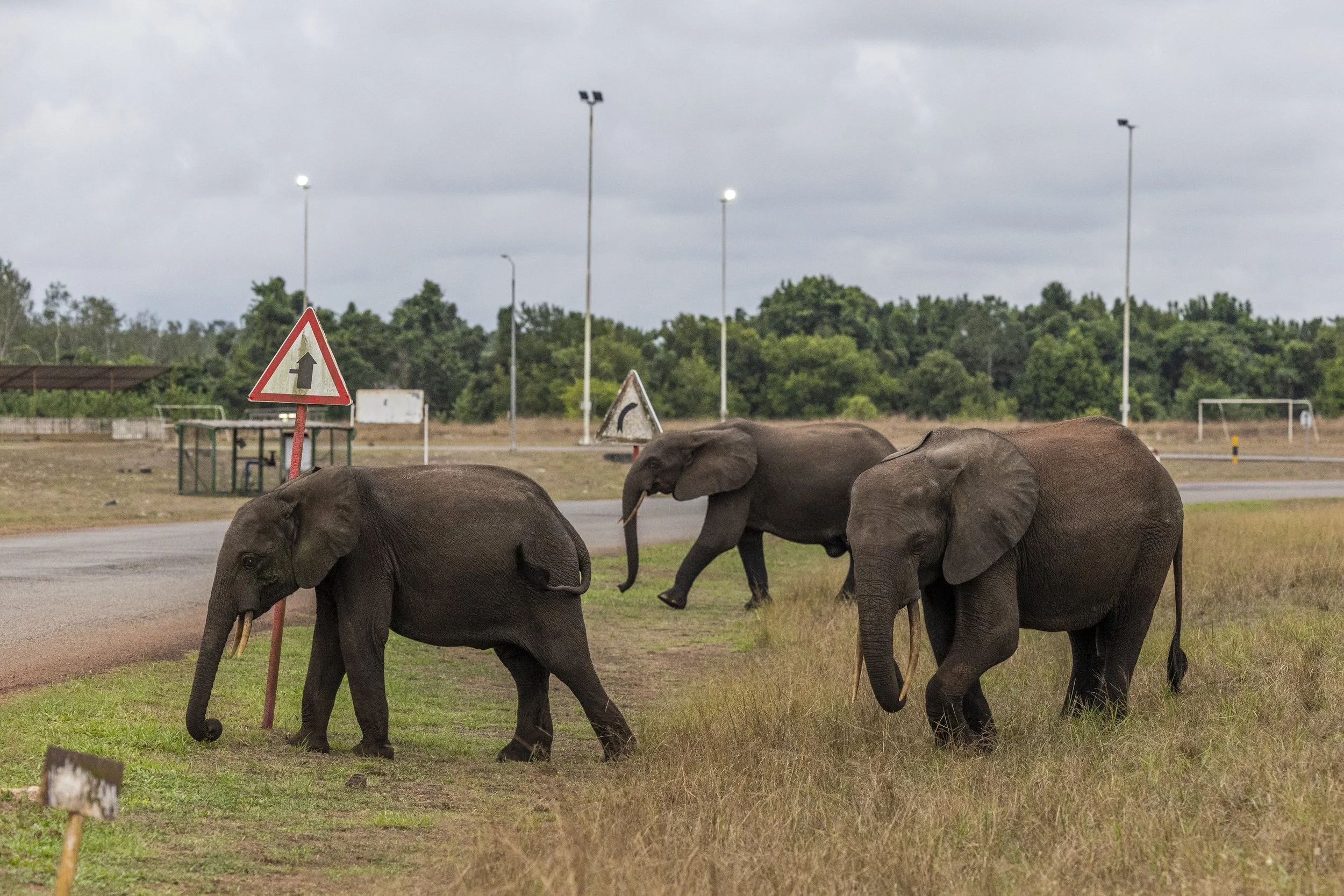
From Conflict to Coexistence: How Gabon Changed the Way It Lives with Forest Elephants
At the beginning of 2025, Human-elephant conflict had reached crisis levels in Gabon. As frustration grew, so too did vocal calls for the government to take stronger action. By the end of the year, that conversation had fundamentally shifted; Gabon had embraced coexistence. That shift did not happen by chance.
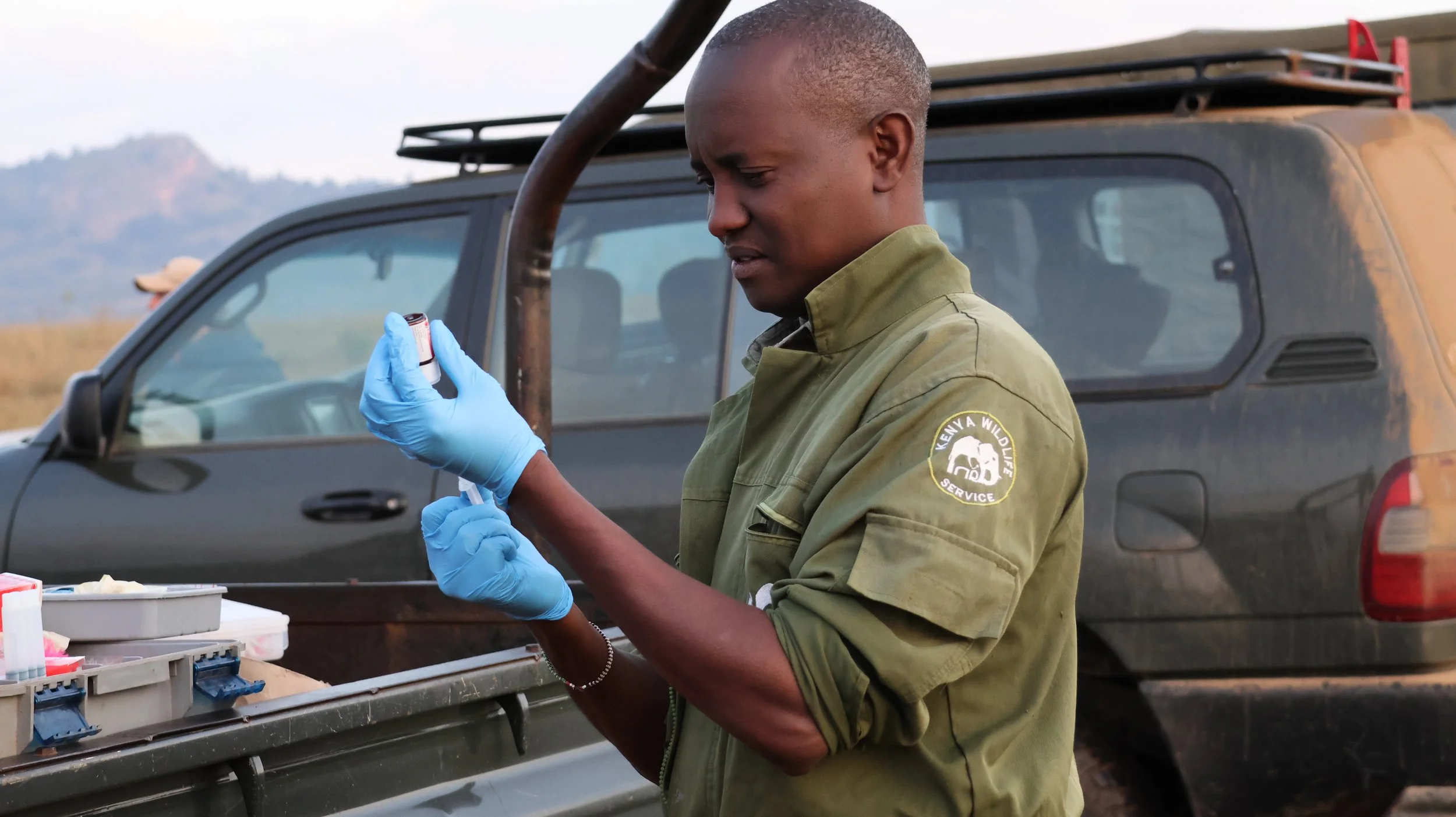
A Wildlife Vet Explains What It Takes to Safely Collar an Elephant
Dr Mathew Mutinda, a Wildlife Veterinarian with the Kenya Wildlife Service, has spent nearly 18 years on the front line of wildlife conservation, safely immobilising more than 1,000 elephants and around 400 rhinos. He explains what it takes to collar an elephant, the science behind the procedure and the responsibility that comes with caring for wildlife at this scale.
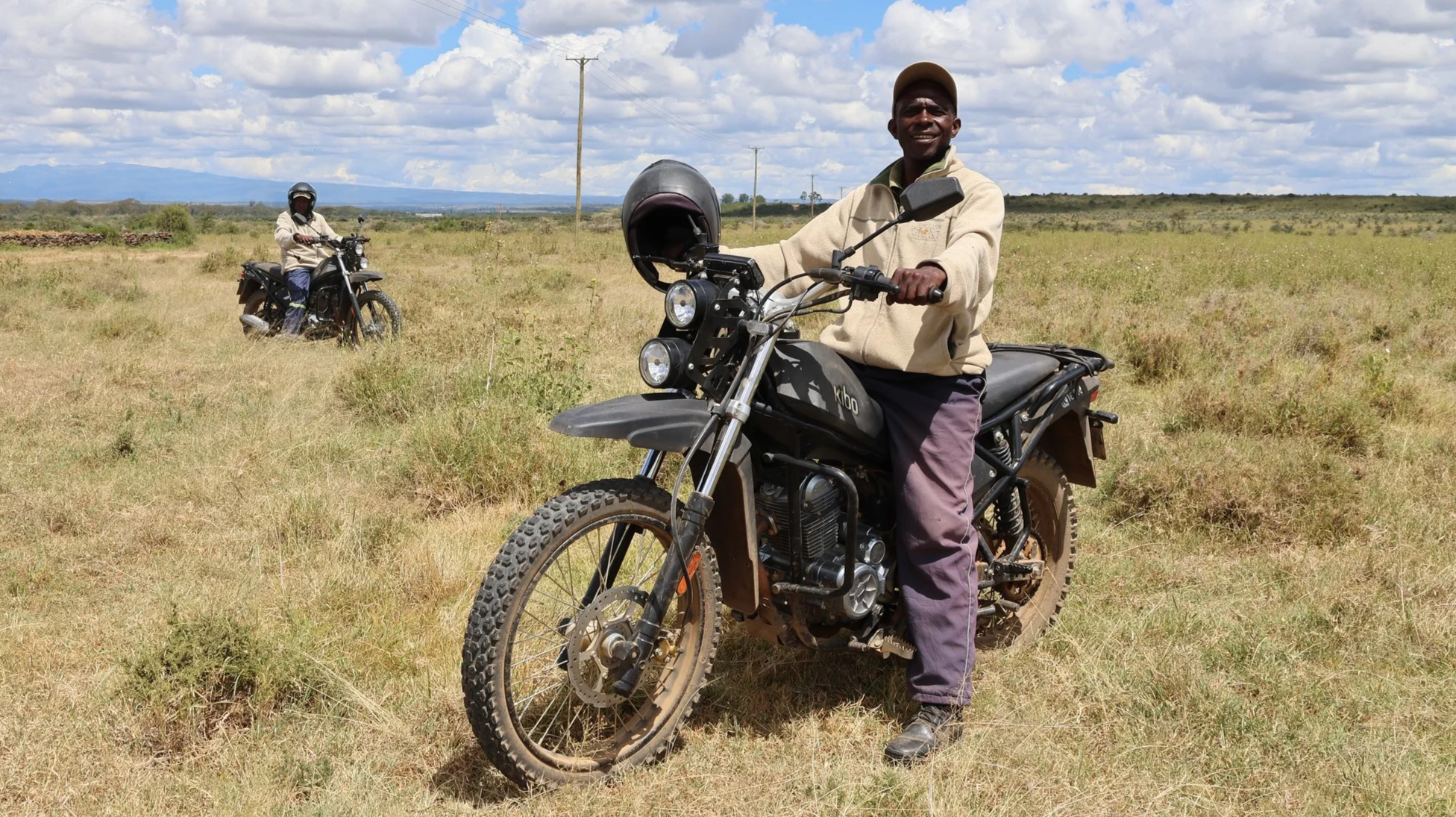
Meet Charles Kinyua: Two Decades on the Frontline of Human-Elephant Conflict
Field scout Charles Kinyua reflects on two decades of human–elephant coexistence in Laikipia, from early tracking and chilli fences to modern electric fencing and real-time monitoring systems that help protect both communities and wildlife.
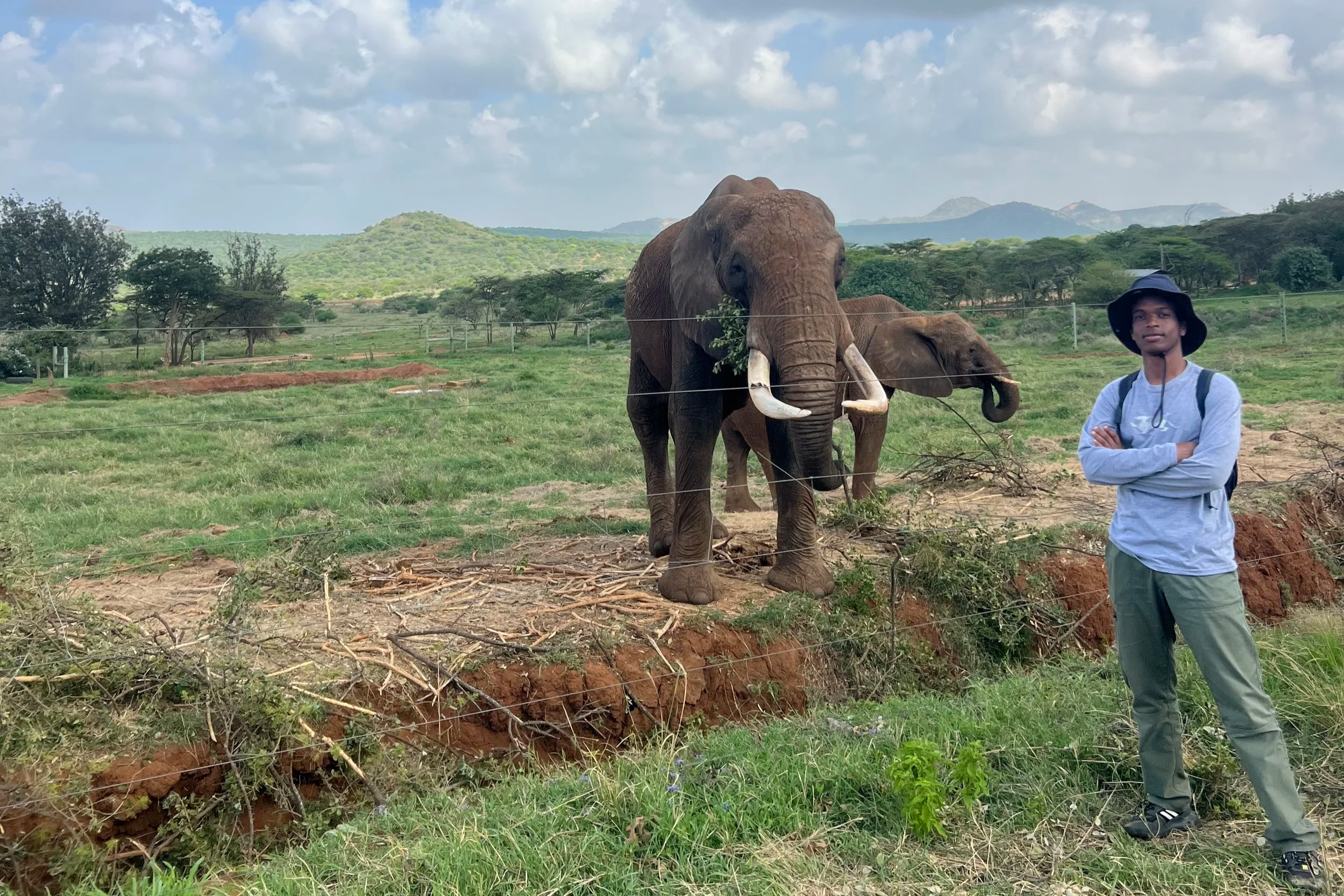
Nurturing the next generation of African conservation Leaders
Through our partnership with the African Leadership University, Space for Giants is investing in young talent across Africa. Community and Field Intern Khan Emery Rugira reflects on how three months in Kenya offered a firsthand look at modern conservation in action.
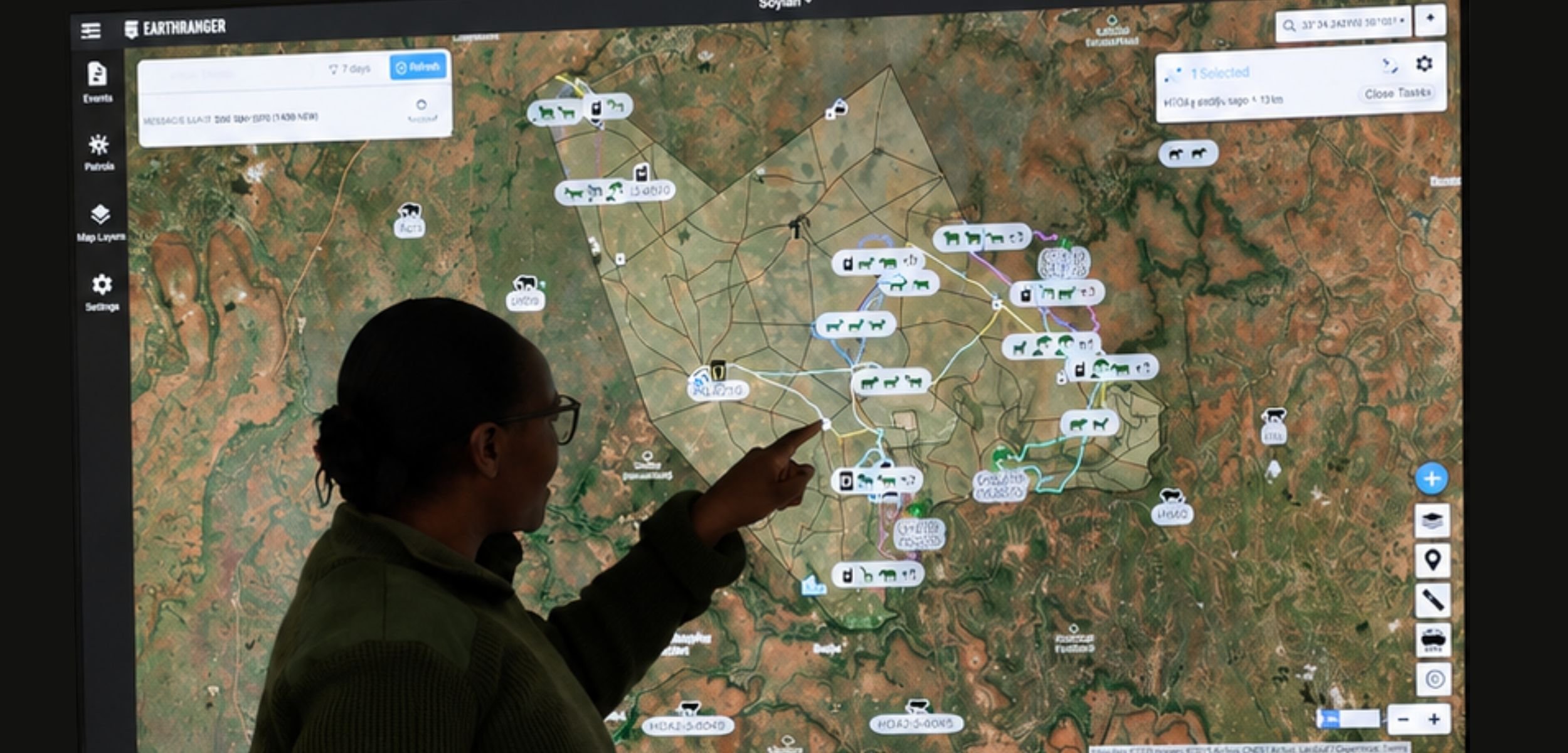
Ten Years of EarthRanger: A View From the Field
Ten years ago, a small group of conservationists gathered to ask a simple question: what if every data source, every tracker, every alert, every scout location, could speak to each other in real time The answer became EarthRanger. And it changed the way conservation is managed across the world.
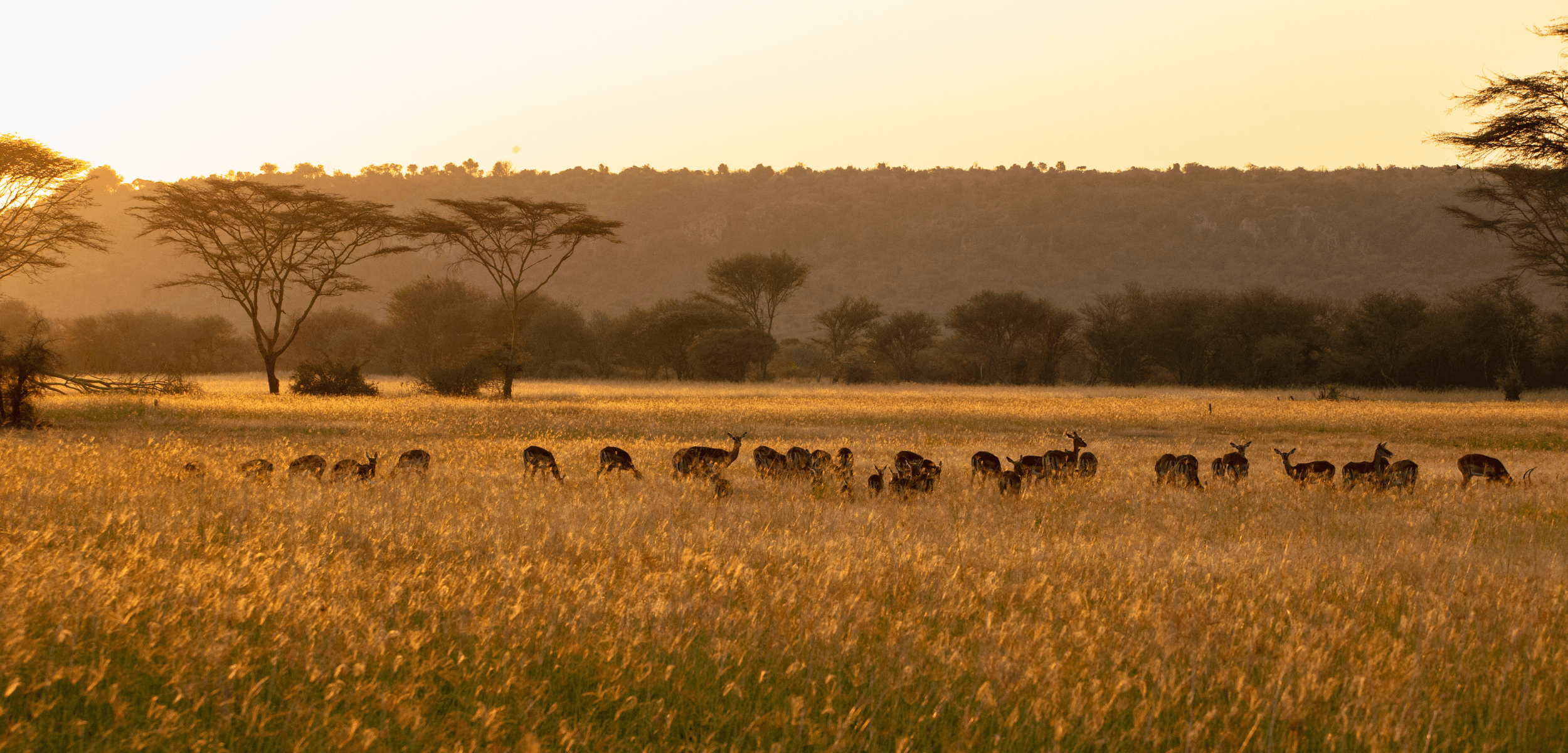
Suyian Conservancy Receives Outstanding Rating in Protected Area Management Performance by International Agency
Suyian Conservancy completed its first Integrated Management Effectiveness Tool (IMET) assessment in February 2026. The results offer a candid picture of where the conservancy stands at the start of an important new chapter.
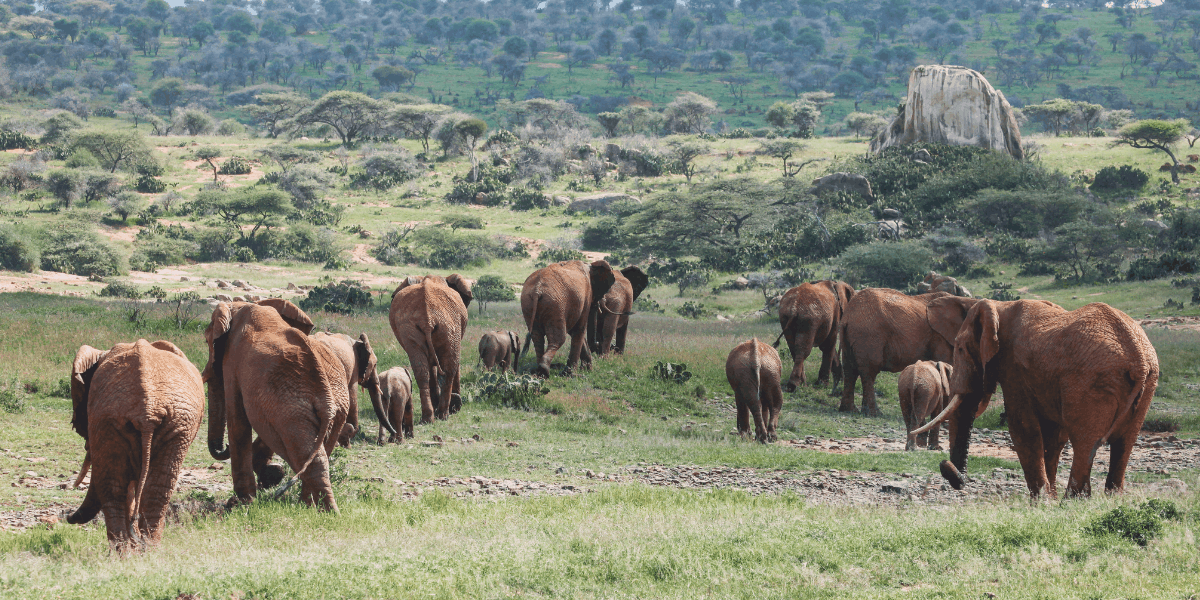
Perspective 2026: Elephants Don’t Live in Parks - They Live in Landscapes
Elephants are often called ecosystem engineers, shaping habitats, dispersing seeds, opening access to water, and influencing which plants and species can thrive.


