
From Conflict to Coexistence: How Gabon Changed the Way It Lives with Forest Elephants
At the beginning of 2025, Gabon faced a defining choice. Human-elephant conflict had reached crisis levels. Between 2016 and 2022, more than 13,000 incidents were recorded across the country as forest elephants increasingly came into contact with rural communities. Crops were destroyed overnight, families lost their livelihoods in a matter of hours and in some villages, people no longer felt safe walking after dark. As frustration grew, so too did vocal calls for the government to take stronger action.
By the end of the year, that conversation had fundamentally shifted; Gabon had embraced coexistence. Mobile electric fencing had become the government’s national strategy for reducing human-elephant conflict. That shift did not happen by chance.
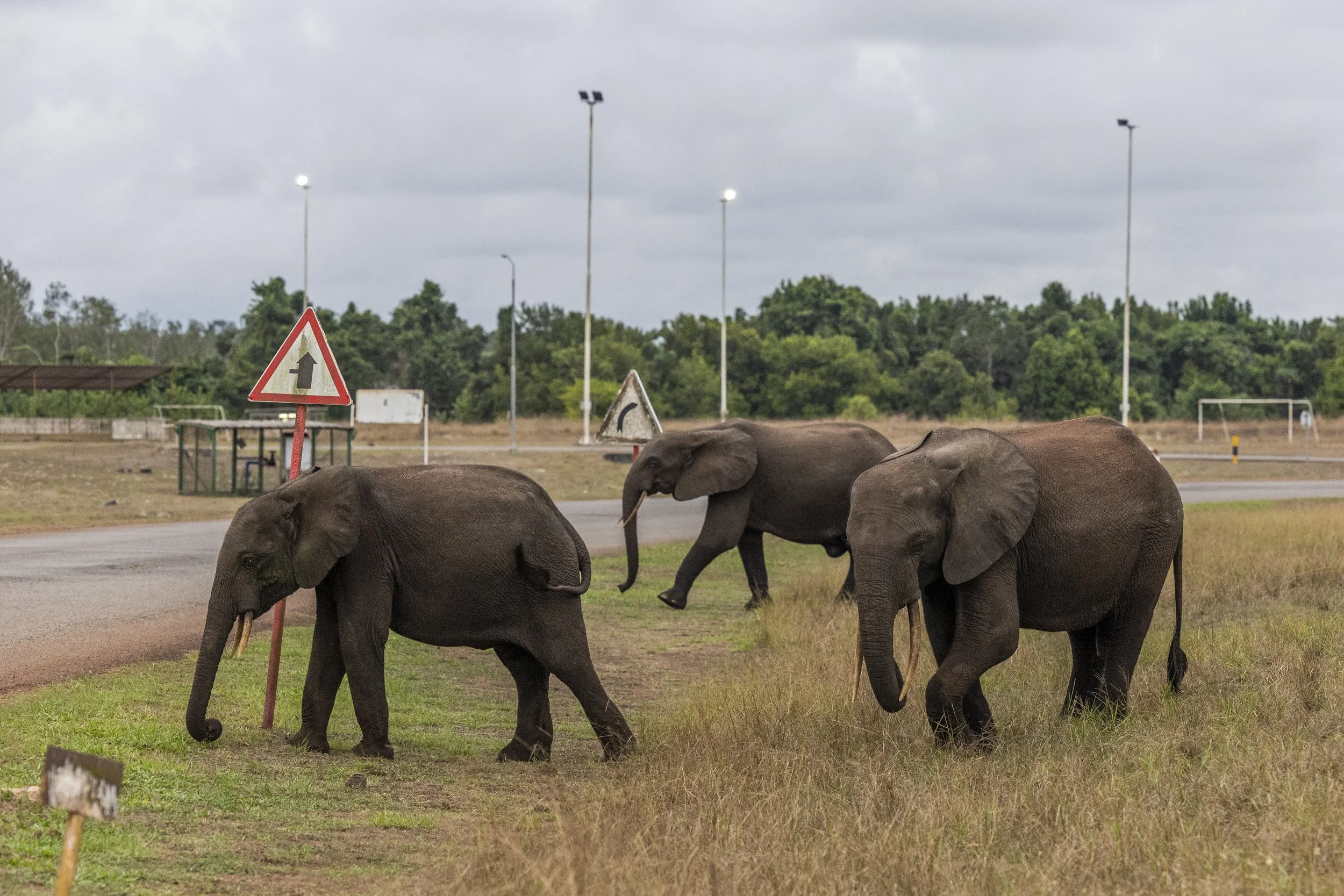
Why Gabon Matters
Gabon is home to an estimated 95,000 critically endangered African forest elephants, nearly 70% of the world’s remaining population. While forest elephant numbers declined dramatically across much of Central Africa over the past two decades, Gabon followed a different path. Strong government conservation policies helped protect vast areas of rainforest, allowing elephant populations to recover. But that conservation success created a new challenge.
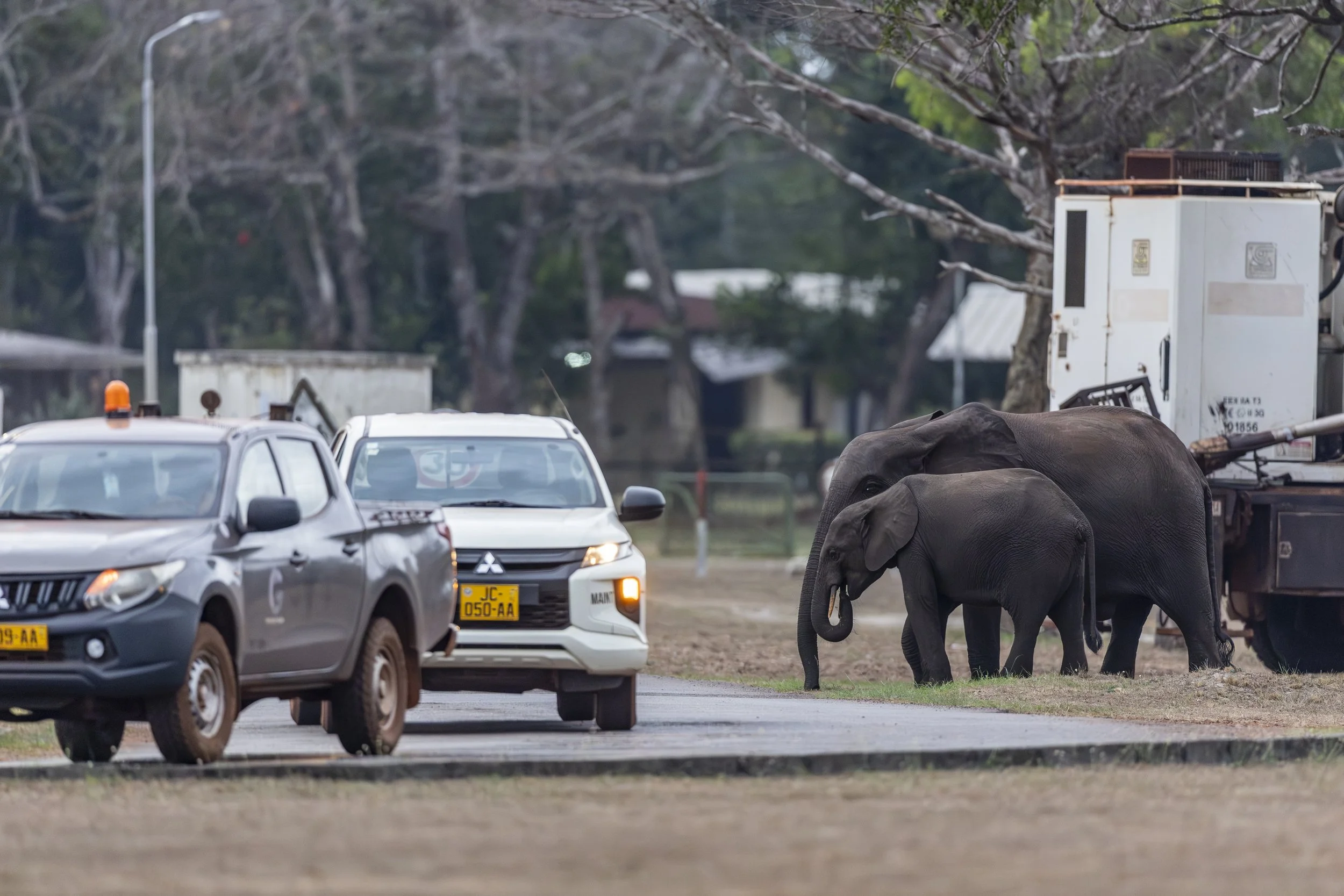
As elephant numbers increased, so did encounters with people. Across rural Gabon, where communities depend largely on subsistence agriculture, entire harvests could disappear in a single night. This presented an uncomfortable reality: protecting elephants could only succeed if the livelihoods of the people living alongside them were secured.
A Different Solution: Mobile Electric Fencing
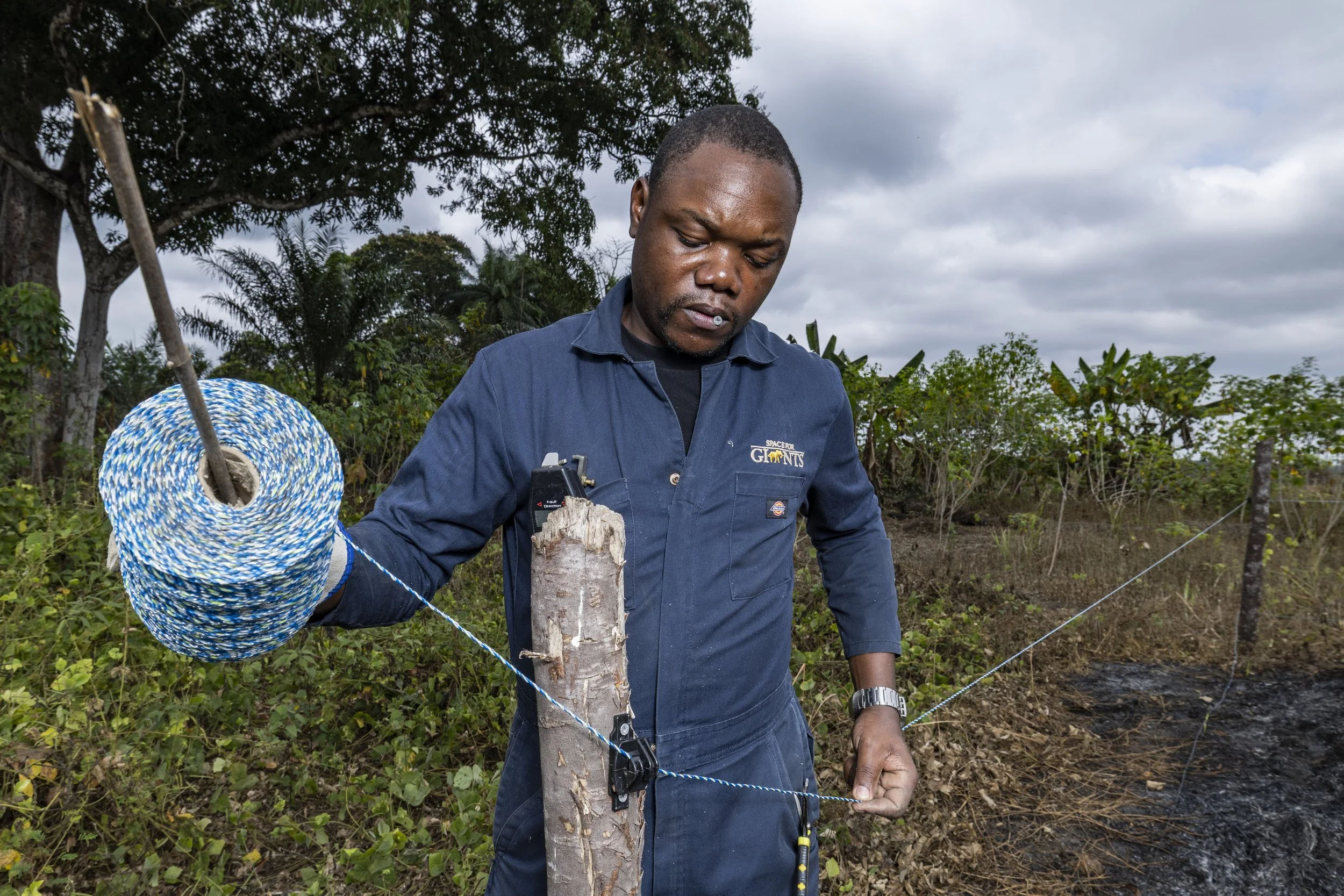
Working in support of Gabon’s Ministry of Water and Forests, Space for Giants became the Government’s lead technical partner in developing and implementing a new national approach to mitigating the conflict. The programme built on years of proven success: Space for Giants’ flagship solution, solar-powered mobile electric fences, had demonstrated its effectiveness on the ground through a model combining technology, community engagement, monitoring and long-term maintenance. Its success led the Government of Gabon to formally integrate the technology into the country’s National Human-Elephant Conflict Mitigation Strategy. Responding to growing demand from rural communities, The Central Africa Forest Initiative (CAFI) committed US$10 million to the two-year programme, of which US$4.5 million is supporting Space for Giants’ mobile fencing work.
Recognising that technology alone cannot ensure long-term coexistence, Space for Giants established five regional field bases across Gabon’s nine provinces. This decentralised approach enabled the project to rapidly deploy fences, provide continuous technical support to farming communities, monitor fence performance and strengthen collaboration with local authorities. As confidence in the solution grew, demand from rural communities quickly outpaced the programme’s available resources.
Unlike permanent fencing, the mobile, single-wire solar-powered fences were designed specifically for Gabon’s realities. Many farmers cultivate small plots before moving to new land after several years, making permanent infrastructure impractical. The fences can be dismantled, transported and reinstalled as farms shift over time. With the average participating farmer around 57 years old, the technology needed to be intuitive, robust and easy to maintain without relying on specialist support. Farmers can carry out routine maintenance using everyday agricultural tools such as machetes and hoes, while the fences remain durable enough to withstand the demanding conditions of Gabon’s tropical rainforest.
By the numbers
By the end of 2025, 2130 mobile electric fences had been installed across Gabon. The programme reached 932 villages, directly benefiting more than 33,000 people and their dependents across 47 of Gabon’s 49 administrative departments, spanning all nine provinces.
Delivery accelerated dramatically during the year. In 2025 alone, Space for Giants installed 1,144 fences, an increase of nearly 230% compared with 2024, while expanding its operational footprint through the opening of a fifth provincial base to improve response times and support to rural communities.
However, the impact is measured not only by reach, but by effectiveness. Since monitoring began, 1875 elephant interactions with fences have been recorded. Of these, 1761 attempted crop raids were successfully prevented, giving the programme an overall effectiveness rate of 94%.
Where failures occurred, they were typically linked not to the technology itself, but to fence maintenance. In response, Space for Giants completed 625 maintenance operations during 2025 while strengthening beneficiary training to empower them and identify local resource persons who can serve as focal points for Space for Giants’ maintenance teams in their respective communities, to ensure long-term sustainability.
Beyond protecting crops
Perhaps the most telling statistic from 2025 was not the number of fences installed, but the confidence they created. Since the programme began, 395 farmers have expanded their cultivation areas, reflecting a renewed willingness to invest in farming without the fear that their harvests will be lost overnight.
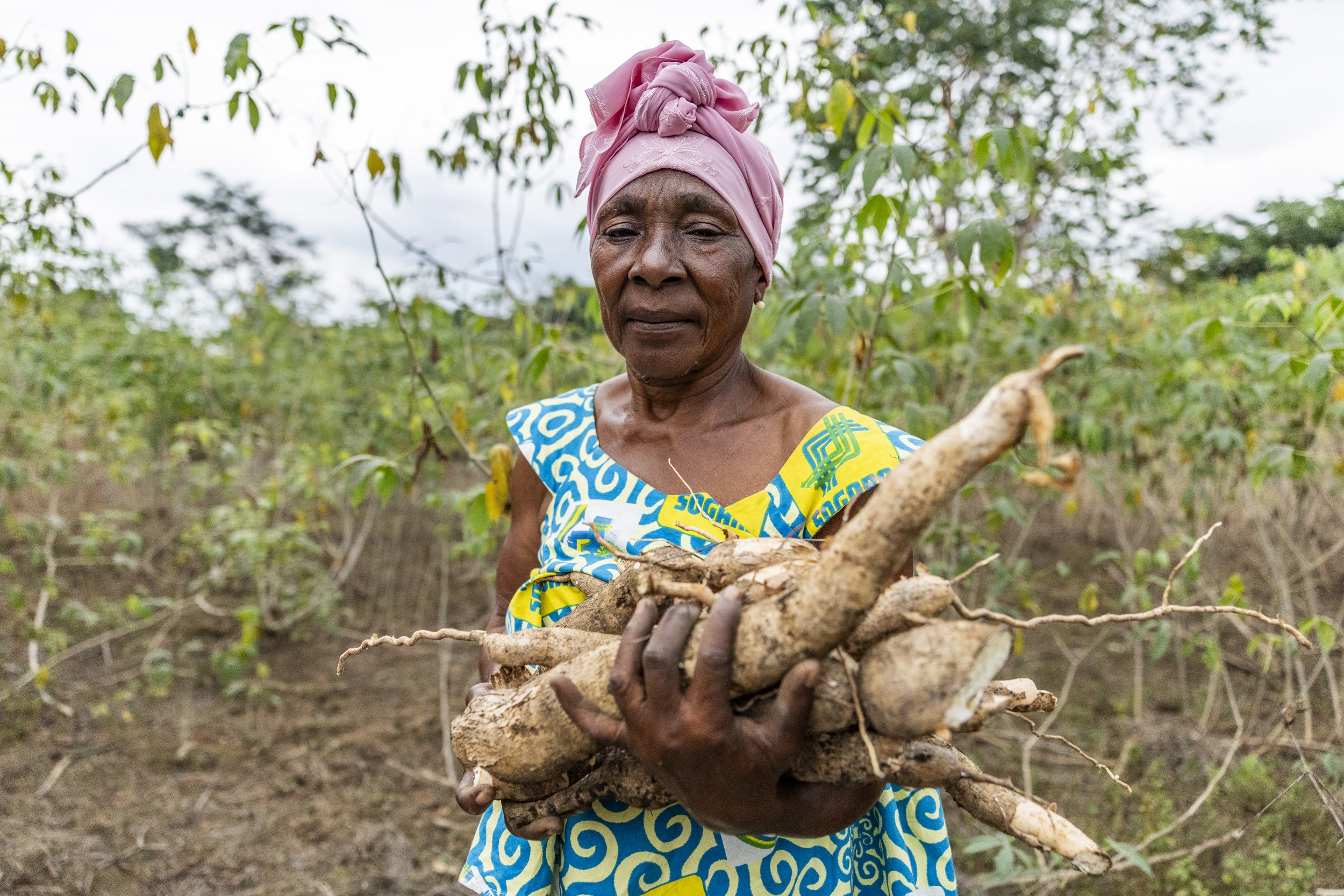
For Nadine Massounga of Mabotsa village in Nyanga Province, that change has been deeply personal. Before receiving a fence, Nadine and other farmers spent money they could barely afford to pay nightguards to sleep in makeshift shelters in their fields, using fires and metal drums to try to chase elephants away. Even these efforts were not enough to protect their cassava and groundnut crops.
“You cannot imagine the joy we felt the first time we saw the mobile electric fence successfully turn away an elephant,” she says. “Before that, our fields had been raided over and over again. Today, we are finally able to harvest the fruits of our labour. We sell part of our harvest to provide for our family’s needs and to pay our children’s school fees.”
Stories like Nadine’s show what the numbers alone cannot. The fence protects crops, but what it truly restores is the confidence to farm, plan and invest in the future.
From Conflict to Coexistence
As Eric Chehoski, Country Director for Space for Giants in Gabon, explains, “Gabon has adopted a balanced approach to human-elephant conflict, prioritising prevention through mobile electric fences while reserving problem elephant control as a measure of last resort when human lives are at risk. The Government’s repeated public recognition of our work in 2025 reflects the proven impact of our approach and its confidence in Space for Giants as a trusted technical partner.”
Gabon's decision to make coexistence the foundation of its national response marks a significant milestone, but it is not the end of the journey. In 2026, Space for Giants is building on this foundation by strengthening protected areas, supporting nature-based economies and creating new opportunities for communities to benefit from the continued presence of elephants.
Ultimately, the success of Gabon's approach will be measured not by a single policy or programme, but by its ability to ensure that coexistence endures for generations to come.
