
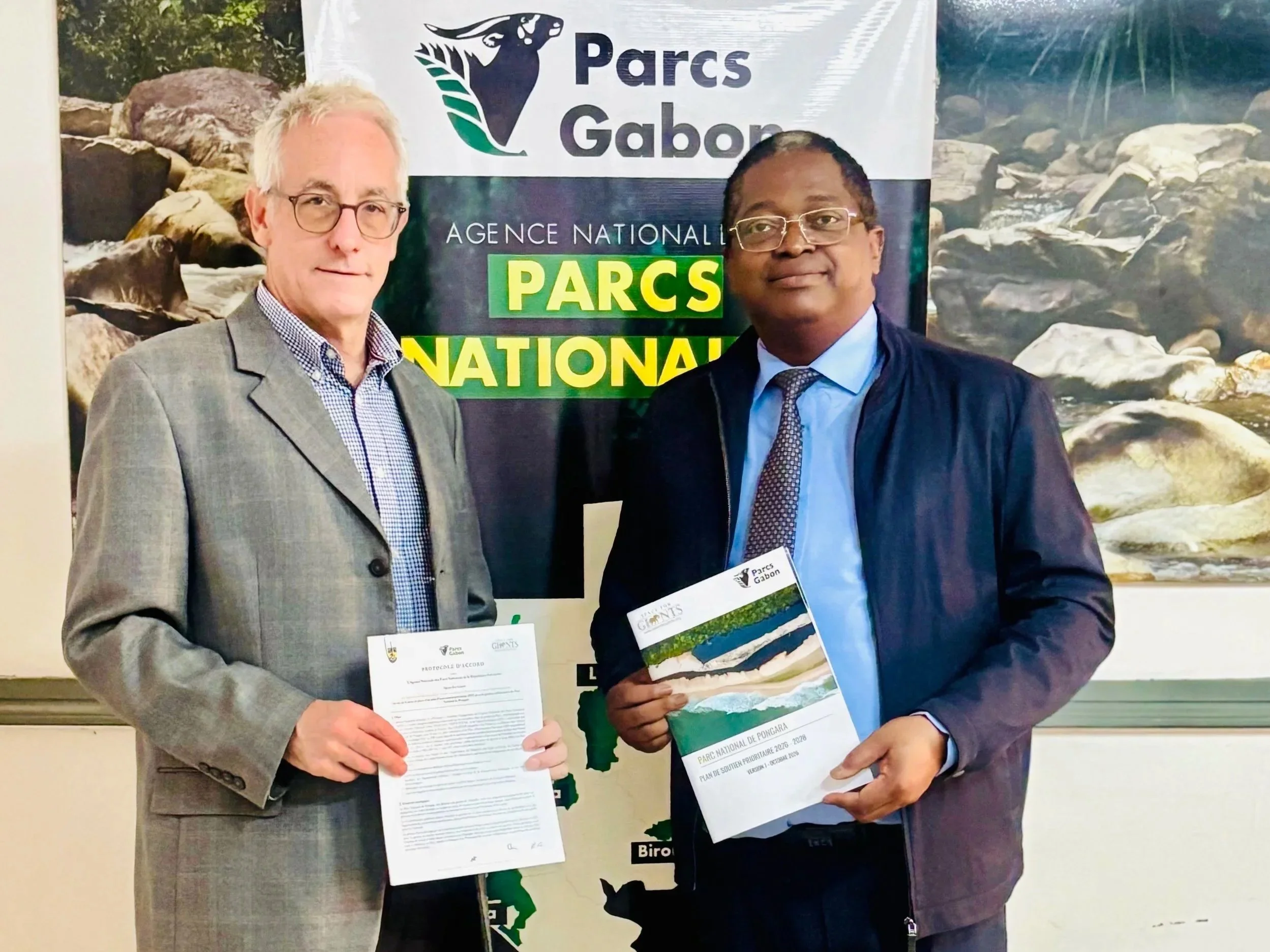
Space for Giants and the National Agency for National Parks (ANPN) have signed an 18-month Memorandum of Understanding (MoU) that lays the foundations for collaborative management of Pongara National Park, with the approval of the Ministry of Water and Forests. Signed in New York on 23 September 2026 by ANPN Executive Secretary Omer Ntougou Ndoutoume and Space for Giants Founder and CEO Dr. Max Graham, the agreement marks a major milestone in the organisation’s work in Central Africa, bringing its collaborative protected-area management expertise to one of Gabon’s most accessible coastal landscapes.
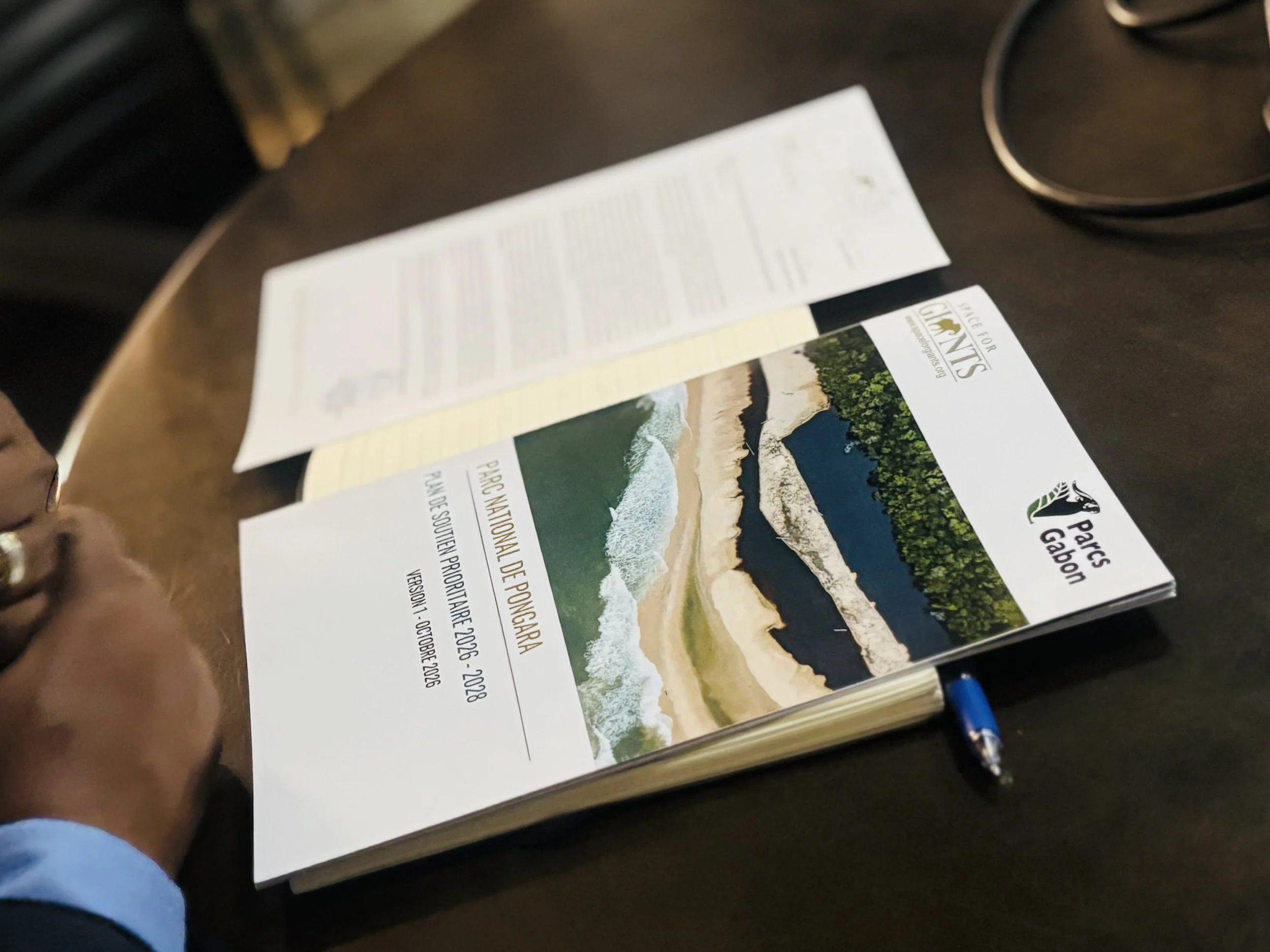
The partnership has already moved into its initial planning and assessment phase. On 27 October 2026, Eric Chehoski, Space for Giants’ Country Director in Gabon, met with Mr. Ntougou. Over the 18 months of the MoU, Space for Giants and ANPN will develop a Priority Support Plan for Pongara. It will draw on a series of baseline assessments of the park’s protection needs, starting with law enforcement and tourism, operations and revenue potential. This evidence will shape a longer-term investment plan and business plan for the park. Initial field assessments are now underway to evaluate the park’s ecological condition, wildlife populations, operational needs and development potential, building the evidence base required to shape a tailored, long-term action plan.
Understanding Pongara’s potential
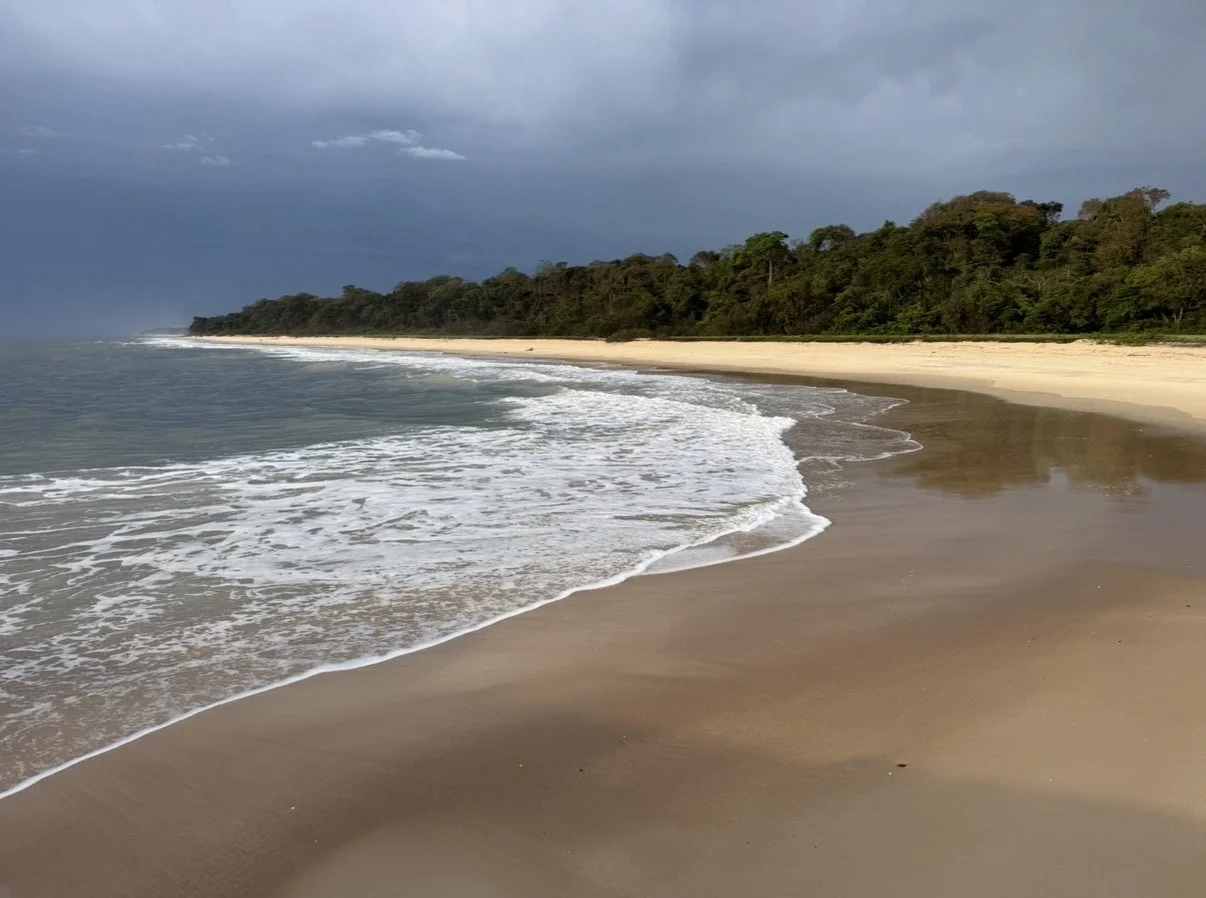
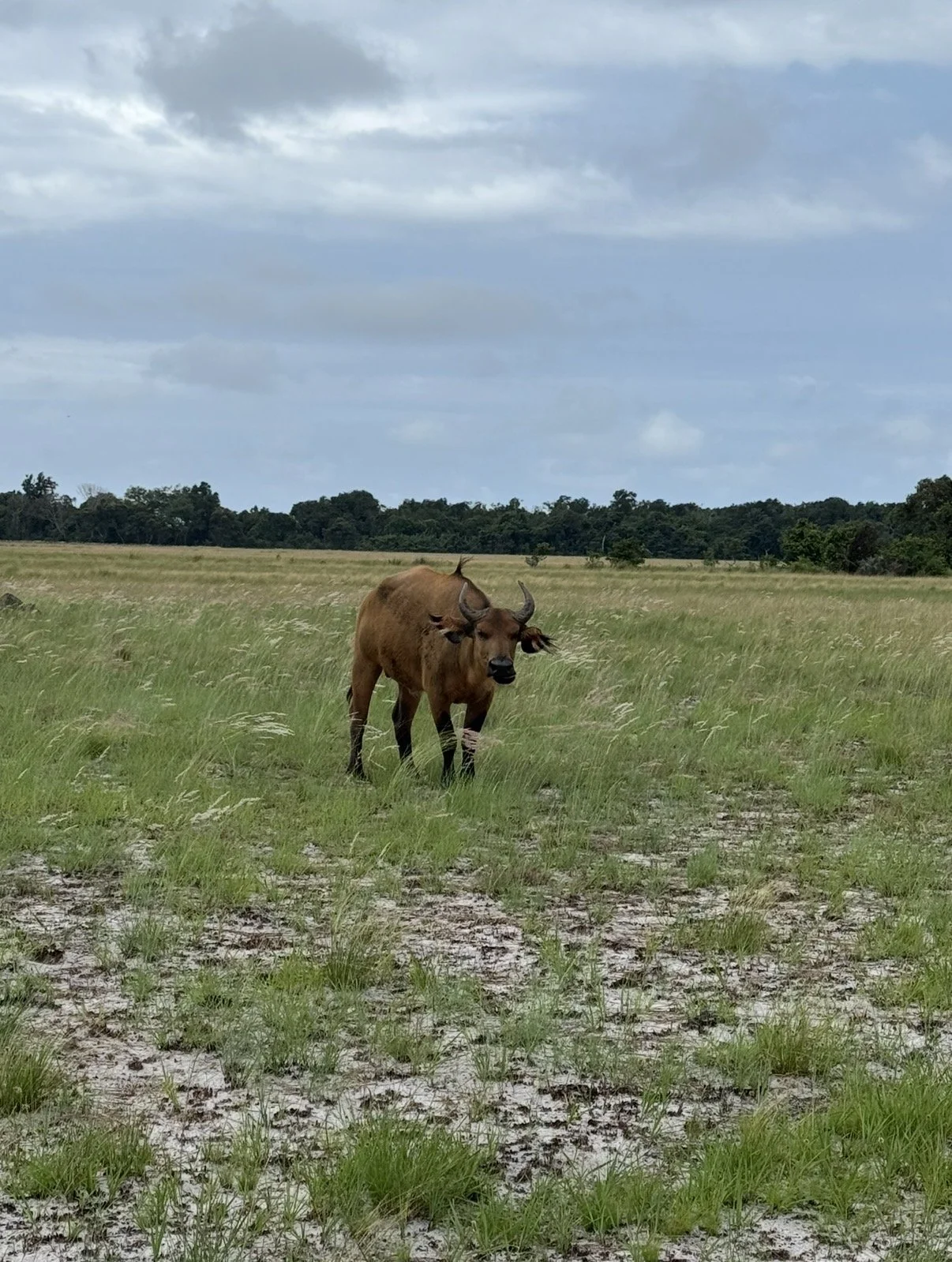
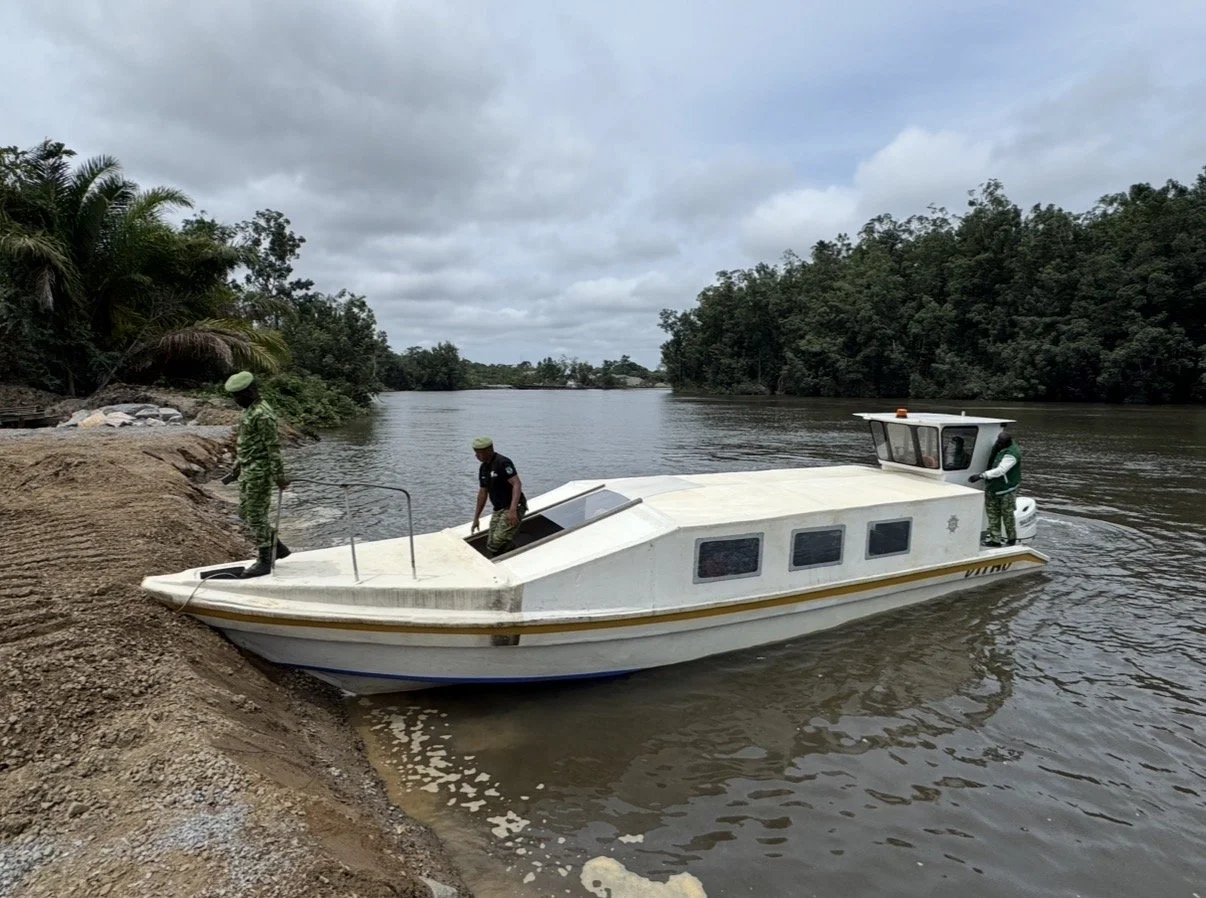
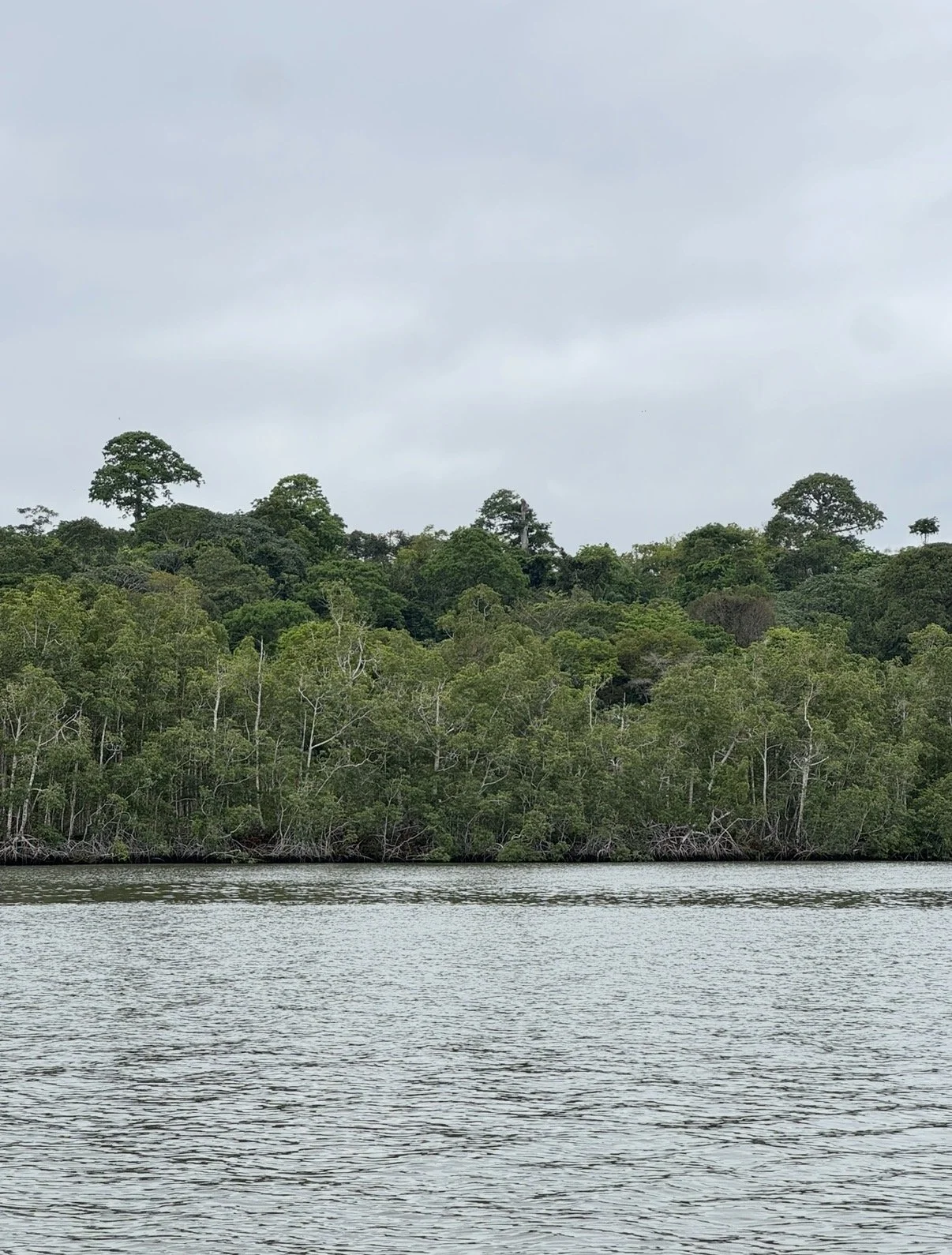
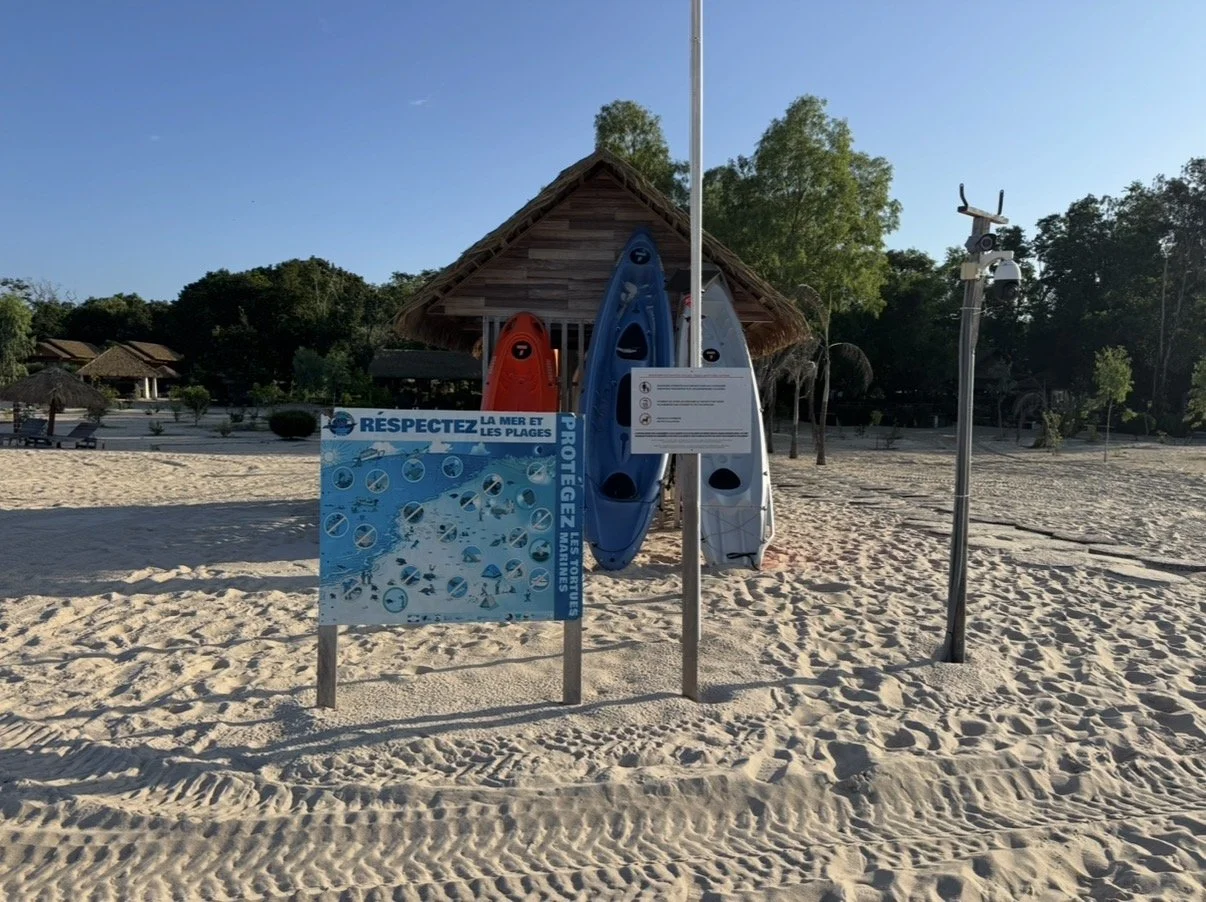
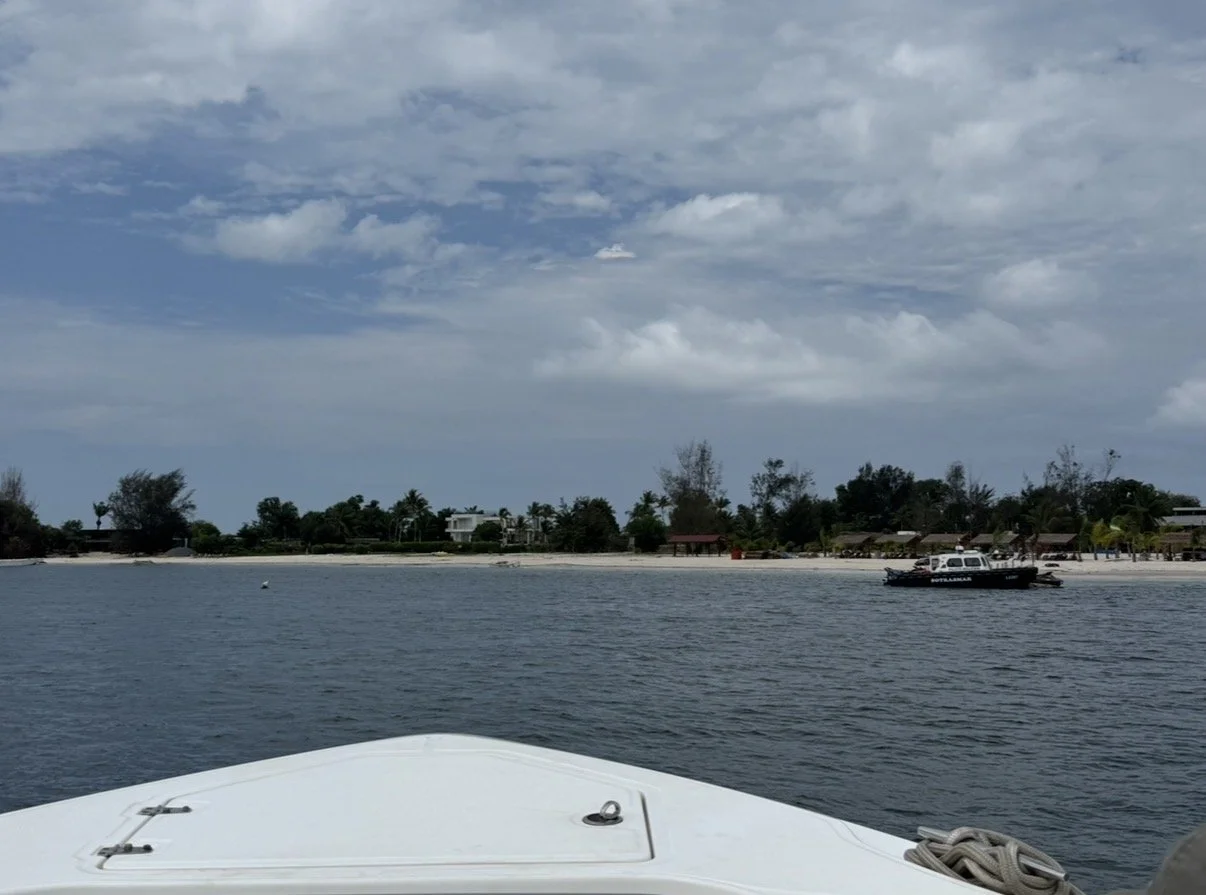
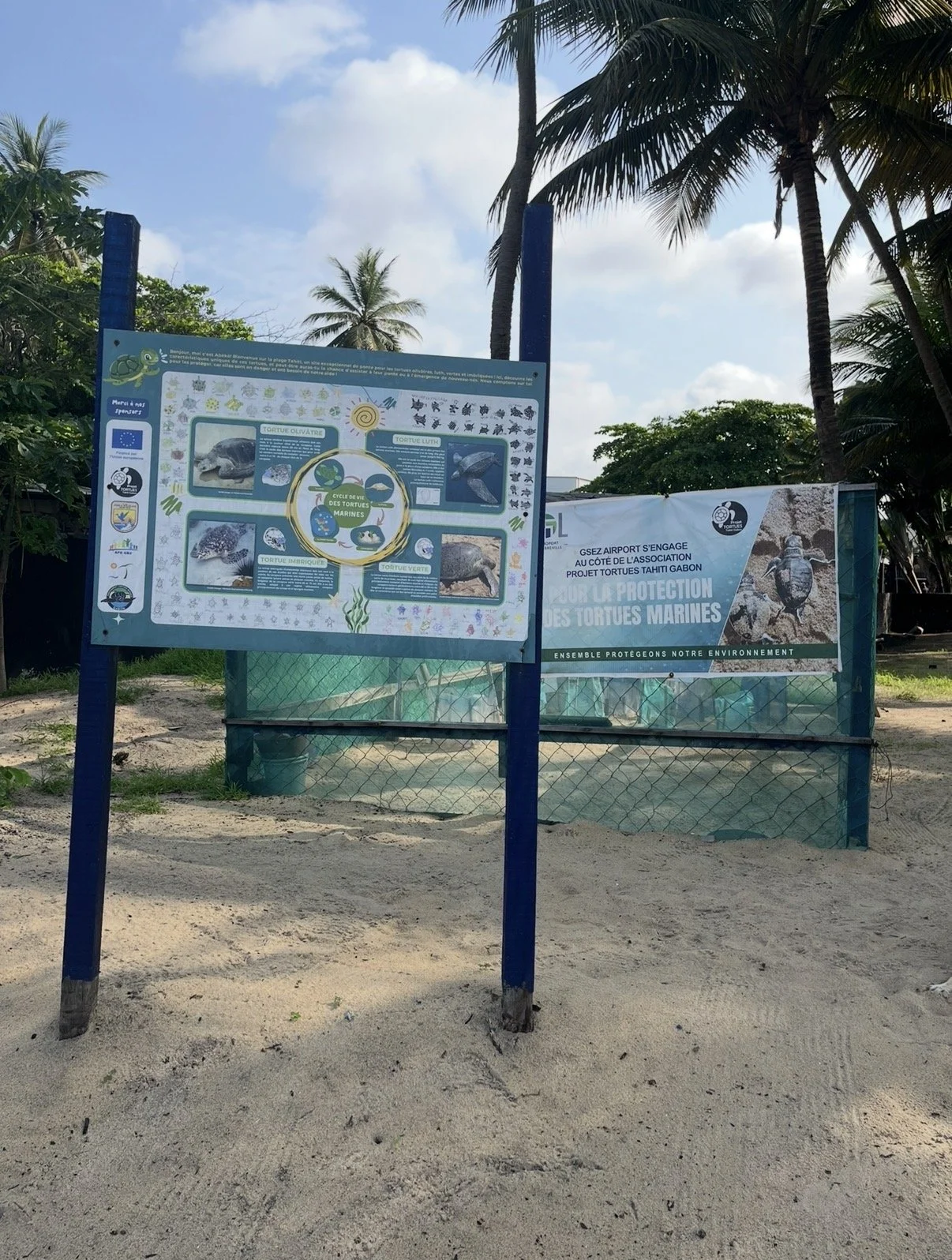
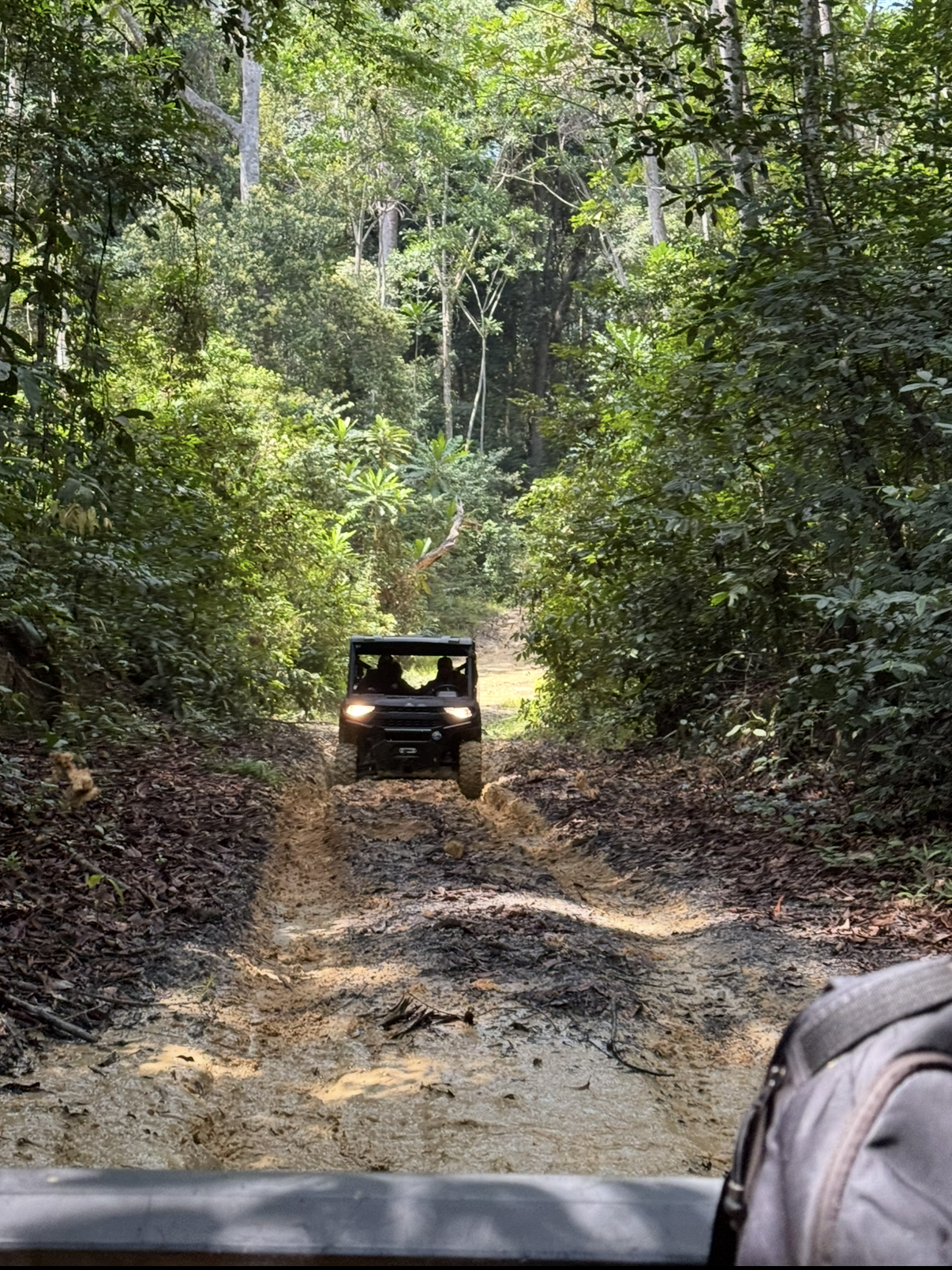
Located around 30 minutes by boat from Libreville, Pongara National Park covers approximately 87,000 hectares of mangroves, coastal forest, estuary and Atlantic beaches. Its ecological importance extends well beyond Gabon's borders: the park contains approximately 39% of the country's mangroves and nearly a quarter of its leatherback turtle nests, with around 80 kilometres of coastline providing nesting habitat for marine turtles. Its forests support forest elephants and chimpanzees with gorillas also reported in the park, while its coastal waters are visited seasonally by humpback whales and provide habitat for the Atlantic humpback dolphin.
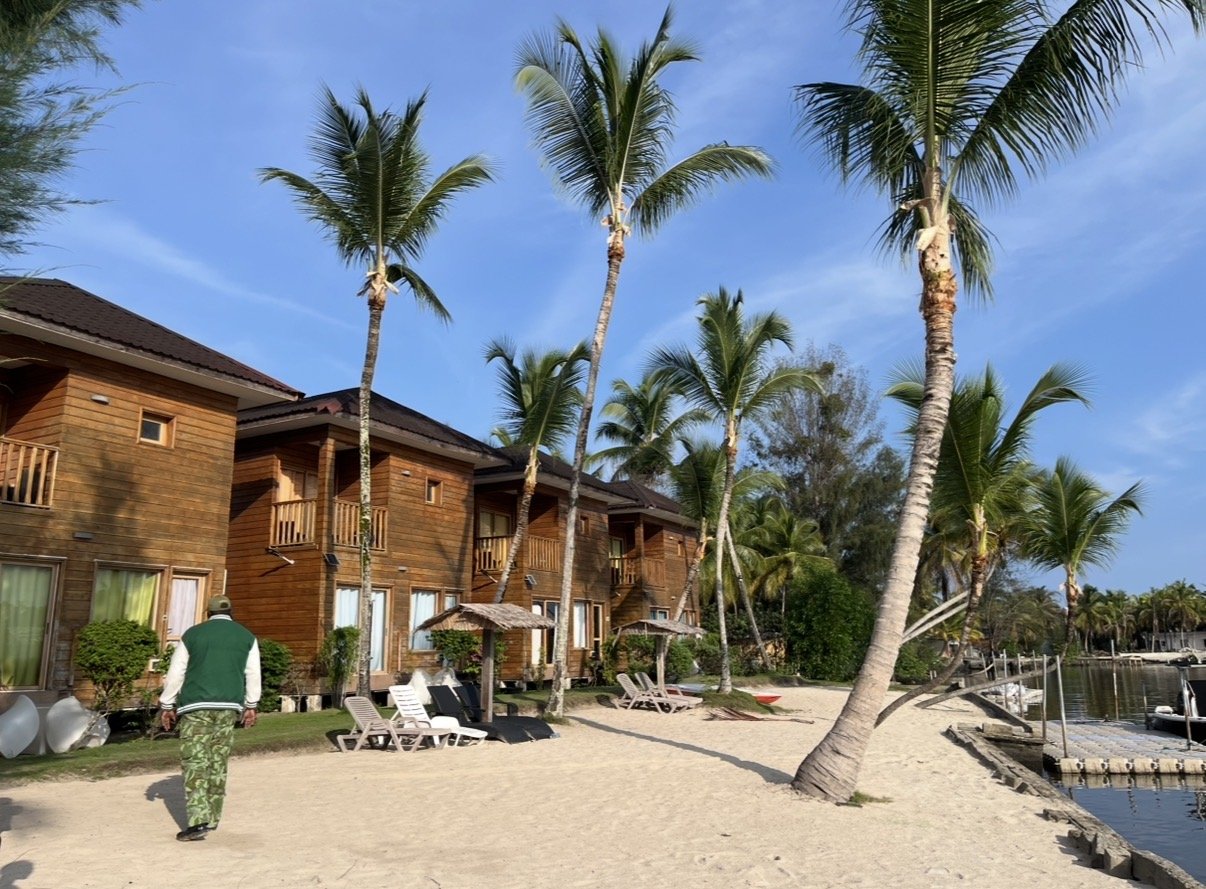
Pointe-Denis already attracts thousands of visitors each year, creating an opportunity to make tourism a more significant source of revenue for the park. The challenge is to develop this activity in a way that protects Pongara’s fragile coastal and marine ecosystems, with a focus on higher-end tourism opportunities that can generate greater revenue without increasing pressure on the environment.
Communities living in and around the park must be among the first to benefit. A core aim of the partnership is to build lasting sources of income for them: local jobs, community-run tourism services and businesses, and a fair share of park revenue. Protecting Pongara should also mean better livelihoods for the people who depend on it.
Space for Giants and ANPN are assessing existing conservation programmes, infrastructure gaps and operational requirements across the park. This will help identify the investments and management measures needed to strengthen park protection, particularly against illegal fishing and poaching, while unlocking long-term financial sustainability.
“Pongara’s future depends on managing the park as part of the wider coastal landscape, including its marine environment, its buffer zone and the communities who live there. Working under ANPN’s authority and alongside the partners already active here, our role is to help build the evidence, operational capacity and financing needed to protect it over the long term, and to make sure the communities around the park earn a real share of the revenue it generates,” says Mr. Chehoski.
Building on established partnerships
Space for Giants is already a key technical partner to the Gabonese Government in addressing human-elephant conflict through the development and rollout of a national mobile electric fencing programme. Now adopted as Gabon’s national response, the programme had delivered 2,130 mobile electric fences by the end of 2025, achieving a 94% effectiveness rate and directly benefiting more than 33,000 people across all nine provinces while safeguarding forest elephants.
The Pongara agreement also builds on Space for Giants’ collaborative protected-area management experience in East Africa. In Uganda, the organisation partners with the Uganda Wildlife Authority under a co-management arrangement at Pian Upe Wildlife Reserve to restore ecosystems, strengthen protection, and build sustainable conservation finance.
The MoU is a first step. The Priority Support Plan, investment plan and business plan developed over the next 18 months will lay the groundwork for a possible longer-term Collaborative Management Partnership at Pongara. That would contribute to the Government of Gabon’s wider rollout of these partnerships across the country’s key national parks, a national effort grounded in strong governance and sustainable tourism.
